
Liver cirrhosis is a serious and progressive condition where healthy liver cells are replaced by scar tissue, reducing the liver’s ability to function. The liver, often called the body’s detox powerhouse, plays a vital role in metabolism, digestion, blood purification, and immunity. When cirrhosis sets in, it not only affects digestion but also weakens the entire body system.
While modern medicine mainly focuses on managing complications and preparing patients for liver transplant in severe cases, Ayurveda offers a holistic and natural approach that addresses the root cause. At Ayuvacare, under the guidance of Dr. Arjun Bawa, the Ayurvedic protocol is designed to promote cellular regeneration, balance digestion, and restore liver health without dependency on heavy medications.
What is Liver Cirrhosis?
Cirrhosis is the result of long-term liver damage, often caused by conditions like hepatitis infections, alcohol abuse, fatty liver disease, or autoimmune disorders. Over time, scar tissue replaces normal tissue, blocking blood flow and reducing the liver’s efficiency.
Common complications of cirrhosis include:
- Jaundice (yellowing of skin and eyes)
- Fatigue and muscle weakness
- Abdominal swelling (ascites)
- Digestive disturbances
- Internal bleeding (in severe cases)
If left untreated, cirrhosis can progress to end-stage liver disease, where a transplant is often considered the only option.
Ayurveda’s Perspective on Liver Cirrhosis
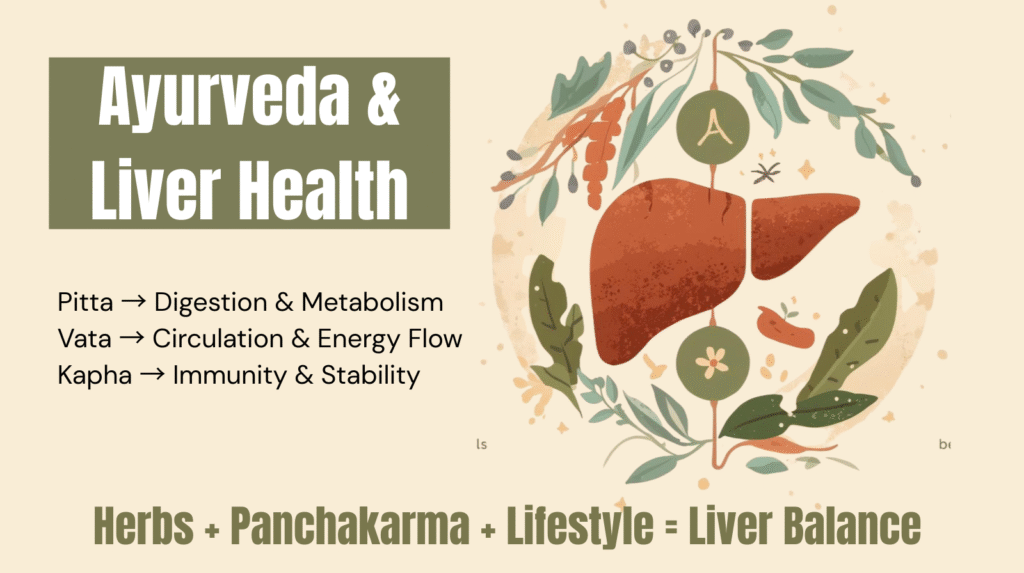
n Ayurveda, the liver is associated with Pitta dosha (fire element) because it governs metabolism, digestion, and transformation. Liver cirrhosis occurs when there is:
Excessive Pitta aggravation (heat and inflammation in the liver)
Weak Agni (digestive fire)
Accumulation of Ama (toxins) in the tissues
This imbalance leads to impaired bile flow, poor digestion, and cellular damage. Ayurveda, therefore, aims at:
Pacifying aggravated Pitta
Detoxifying the liver
Repairing damaged liver cells
Restoring gut-liver harmony
Ayuvacare’s Ayurvedic Protocol for Liver Cirrhosis
Dr. Arjun Bawa’s treatment approach is designed to provide comprehensive, natural healing. It focuses on:
Cellular Regeneration: Herbs that stimulate repair of damaged liver cells
Gut–Pancreas–Liver Synchronization: Restoring balance between digestion, metabolism, and enzyme production
Pitta Balance: Reducing liver heat and inflammation naturally
Safe Herbal Combinations: Pure herbal medicines, no heavy metals, no bhasma, and zero side effects
✨ Patients often report improvements in Fibroscan (KPA), bilirubin, SGPT, and albumin levels within just 6–8 weeks, reducing the need for expensive allopathic treatments or transplants.
Ayurvedic Herbs for Liver Cirrhosis
Ayurveda uses time-tested herbs that strengthen the liver naturally:
Kutki (Picrorhiza kurroa): Known as the “liver protector,” it helps regenerate cells and reduce inflammation.
Bhumyamalaki (Phyllanthus niruri): Supports bile secretion, detoxifies, and improves digestion.
Kalmegh (Andrographis paniculata): Reduces Pitta heat, supports metabolism, and aids enzyme function.
Triphala: Gentle detoxifier for maintaining healthy bowel movements.
Guduchi (Tinospora cordifolia): Boosts immunity and prevents further liver cell damage.
These herbs work synergistically to repair the liver, restore bile flow, and improve overall energy.
Diet and Lifestyle for Liver Cirrhosis in Ayurveda
Healing in Ayurveda is incomplete without proper diet and lifestyle.
Recommended Diet (Pitta-Pacifying):
Fresh seasonal fruits (apples, pears, grapes, pomegranates)
Leafy greens and cooling vegetables (bottle gourd, spinach, cucumber)
Whole grains (barley, oats, rice, wheat)
Herbal teas like coriander, fennel, or licorice tea
Avoid:
Spicy, oily, deep-fried foods
Fermented and packaged foods
Excess salt, sugar, and alcohol
Lifestyle Practices:
Gentle yoga poses (Bhujangasana, Pavanmuktasana)
Pranayama (Anulom Vilom, Sheetali breathing) to cool Pitta
Stress reduction through meditation and mindfulness
Following Dinacharya (daily routine) with regular sleep and meal timings
Panchakarma for Liver Detox
At Ayuvacare, Panchakarma therapies play a vital role in cirrhosis management:
Virechana (therapeutic purgation): Removes excess Pitta and cleanses the intestines and liver.
Basti (medicated enema): Restores gut-liver balance, nourishes tissues, and improves digestion.
Abhyanga (oil massage) & Swedana (herbal steam): Improve circulation, reduce stiffness, and aid detoxification.
Together, these treatments eliminate toxins (Ama), balance doshas, and create a supportive environment for the liver to regenerate.
Ayurveda vs Modern Medicine: A Comparison
Modern Medicine: Focuses on controlling symptoms, prescribing drugs to manage complications, and preparing patients for liver transplant in severe stages.
Ayurveda: Targets the root cause — balances Pitta, removes toxins, and regenerates liver cells.
Key Difference: Ayurveda doesn’t just delay the progression; it offers a chance to reverse damage naturally and improve quality of life.
Patient Benefits at Ayuvacare
Improvement in liver stiffness and enzyme levels
Better digestion and appetite
Reduced fatigue and improved energy
Stronger immunity
Lower dependence on costly allopathic drugs
Most importantly, patients gain hope and confidence in natural healing.
Conclusion
Liver cirrhosis may be irreversible in modern terms, but Ayurveda provides a holistic pathway to manage, control, and even reverse its progression. With herbs, diet, Panchakarma, and lifestyle corrections, the liver regains its strength and vitality.
At Ayuvacare, Dr. Arjun Bawa’s personalized Ayurvedic protocol has helped many patients achieve measurable improvements within weeks — proving that natural healing can be a safe, effective, and cost-efficient alternative to invasive treatments.
🌿 If you or your loved ones are struggling with liver cirrhosis, Ayurvedic treatment could be the key to a healthier future.